

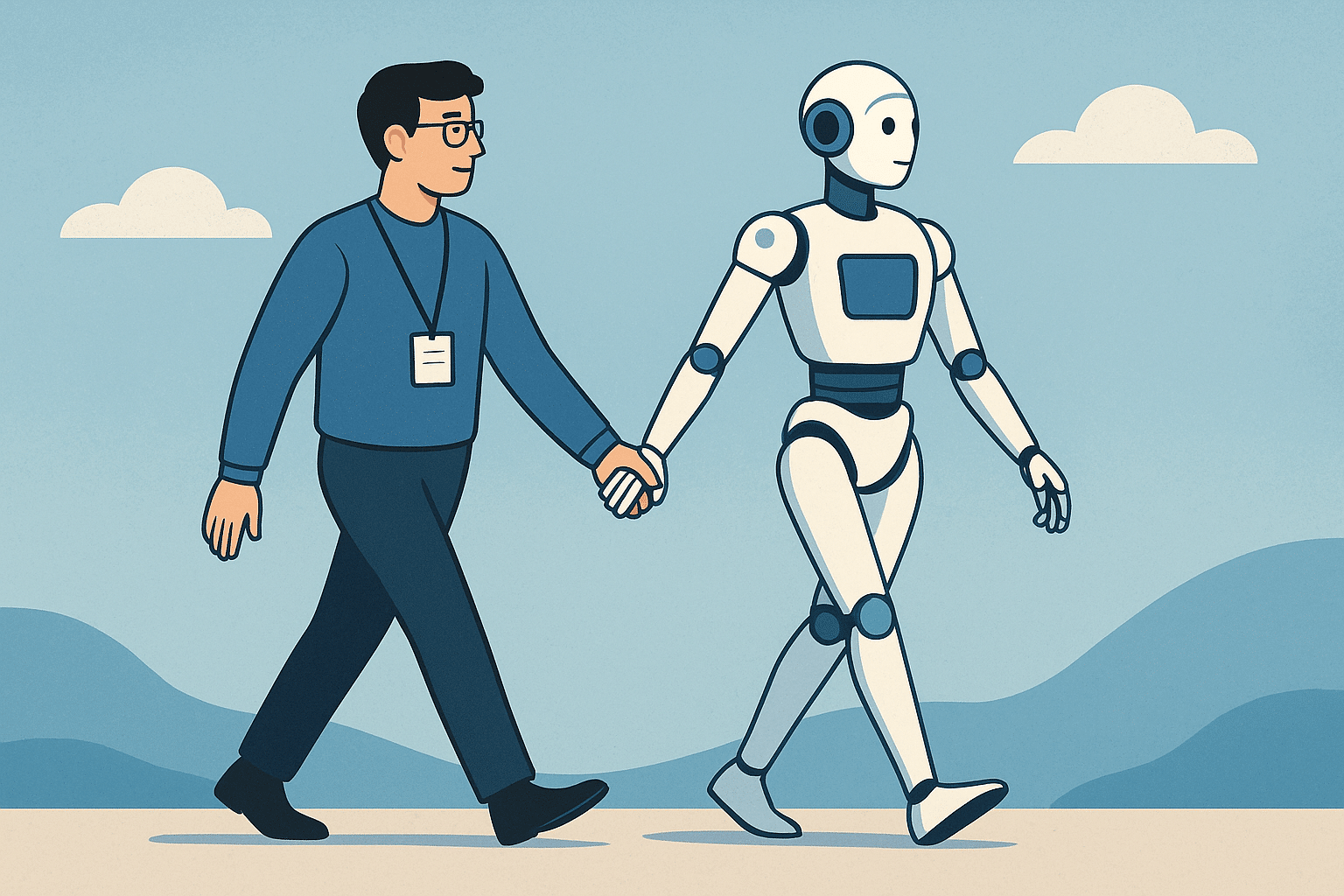
As the year comes to a close, it’s tradition for IT professionals to take stock, update their resumes, and plan for the year ahead. (In fact, we posted our own IT Consultant Year-End Checklist last year outlining the standard steps.)
But 2026 is not just another year. The field is undergoing a significant period of transition driven by Artificial Intelligence. According to a recent study, AI skills are already explicitly required in a vast majority of advertised IT jobs.
Success in the immediate future requires more than just updating a skillset; it involves rethinking how you approach your work.
For the IT consultant or professional looking to future-proof their career, here is PSCI’s checklist for success in 2026.
4 Steps to Future-Proof Your IT Career
1. Make AI Proficiency a Priority
You should treat AI literacy not as a nice-to-have skill, but as a core part of your toolkit. For 2026, closing any AI knowledge gaps is a smart investment.
- Focus on Reskilling: Clients are seeking developers who can oversee, manage, and govern automated processes. Concentrate your time on deep-dive learning in areas like prompt engineering (how to maximize the output of AI tools), ethical AI governance (understanding compliance and risk), and data validation. These are the skills that employers are now actively searching for.
- Find Your AI Niche: You don’t have to be a machine learning developer, but you’ll want to understand how to apply the technology to a business outcome. Identify a specialization where you can integrate AI to solve a specific industry problem. For example, automating documentation in Healthcare or streamlining risk assessment in Finance.
2. Focus on the Un-Automated Skills
When AI takes over routine tasks, your people skills and ability to adapt become your biggest competitive advantage.
- Embrace Adaptability: The ability to learn quickly and embrace constant change is key for future-proofing your career. Cultivating this mindset will help you succeed many times over your career as you evolve your professional identity.
- Sharpen Soft Skills: Invest time in improving communication, collaboration, and emotional intelligence (EQ). These skills will help you deploy and govern AI systems, manage diverse teams, and translate complex technical solutions into business value.
3. Rethink Your Career Profile
The jobs of the future focus on complexity, strategy, and judgment. Your professional profile must reflect this shift.
- Focus on Knowledge-Based Tasks: When updating your resume and LinkedIn, eliminate listings of repetitive, administrative duties. The goal is to show recruiters that you are a complex problem-solver. If applicable, emphasize work related to system architecture, risk mitigation, or digital transformation.
- Set Strategic Goals: Your 2026 goals should be about impact, not just mastery. Aim to achieve a specific business outcome using technology, for example: “Automate X process to save the business Y hours annually.”
4. Strengthen Your Network
Career experts agree that the best thing you can do for your career development is to spend more time networking. No matter how much technology advances, human relationships remain the most effective way to secure job leads and future-proof your career.
- Network for Relevance: Reconnect with mentors, former clients, and colleagues to learn how AI is affecting their professions. Use this information to strategize on which new skills to invest in for the year ahead.
- Build a Referral System: Look for areas to collaborate or provide introductions to others. A strong network is still the most reliable way to learn of new opportunities and market insights that aren’t on job boards.
The AI era may be here, but it doesn’t have to move forward without you. By treating the year ahead as a strategic period for learning and adaptation, you’ll ensure your expertise remains not just current but truly future-ready.